
5 simple steps: How to teach English in thailand
More Than Just Teaching
by Will Maltby
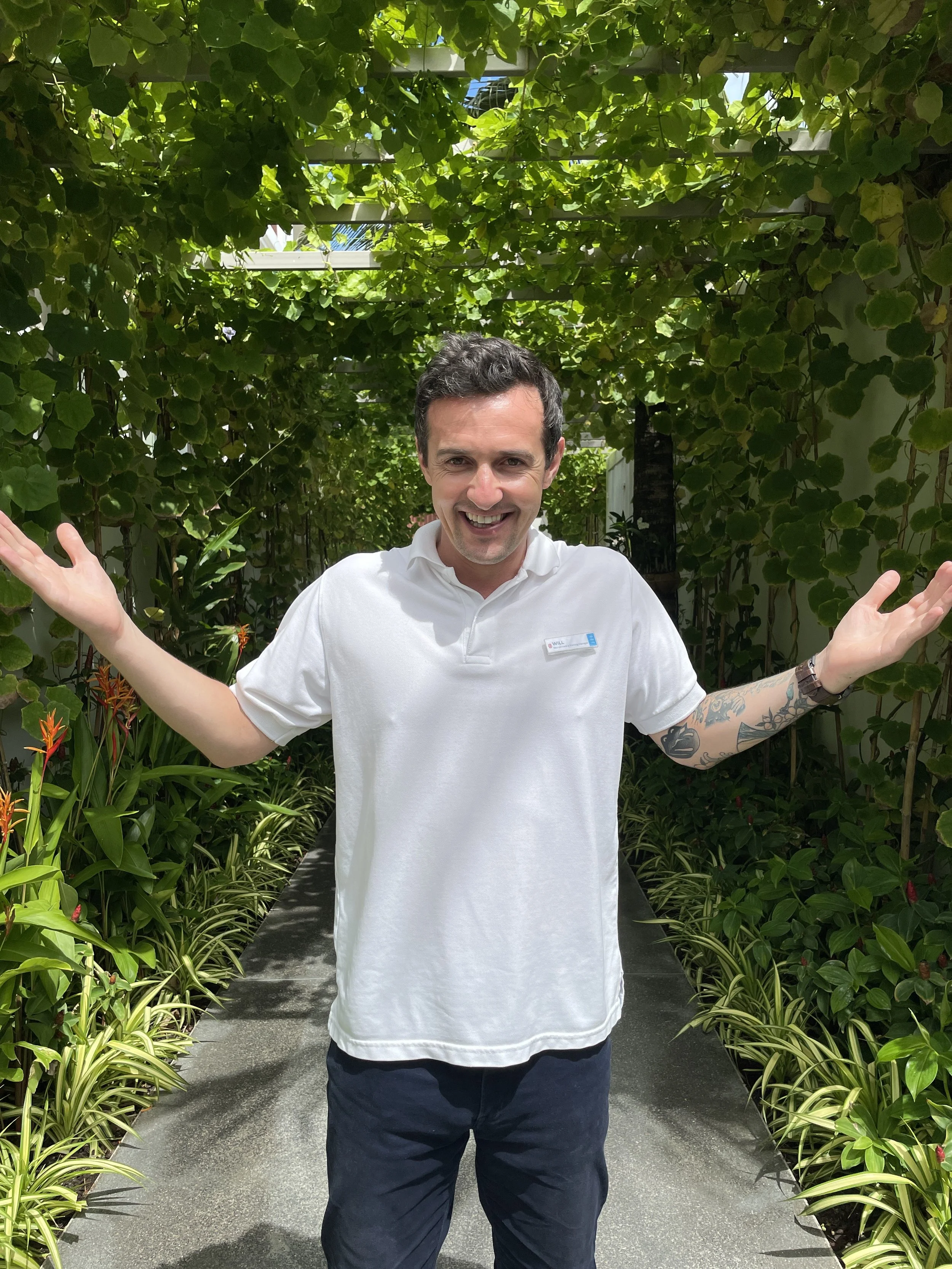
Hi, I’m Will! I recently moved back to the UK to study a creative writing degree at Falmouth University, but for a large chunk of my life have resided in Chiang Mai, Thailand, teaching English. I moved out there in my early twenties, looking for a complete change of direction, a new experience, to find myself. I’d become rather lost and trapped in the UK, hitting dead end after dead end. The decision to take a chance on the unknown was incredibly daunting, but it was life-changing as it showed me another way of living. This blog is aimed at inspiring, giving hope and laying out five simple steps in achieving the dream of moving to Thailand to teach English.
Are you someone who has become rather depleted in life? Maybe you’re searching for a new way of living, an opportunity to discover who you truly are as a person, but don’t know where to start. You’ve circled the idea of teaching English, but have been overwhelmed by the vastness of information on the internet. I’m going to break down the simple steps you need to take in turning the dream into a reality. The only things I need from you are enthusiasm, positivity and the determination to succeed.

Step 1. Get off the fence and decide if this life is for you or not
Before thinking about flights, jobs and TEFL courses, ask yourself one honest question.
Do I want a different kind of life, not just a different job?
Teaching English in Thailand isn’t about getting rich — it’s about the experience of living, making meaningful connections, trying something new and getting out of your comfort zone. Bring an open mind.
Step 2. The basic requirements
Most people think it’s harder than it actually is, and from my point of view, as long as you have the right intentions and are mindful of people, then with persistence, anyone can succeed in this landscape. I landed in Chiang Mai with zero qualifications.
The essentials:
A degree (in any subject)
A TEFL certificate cmutefl.com
Passport with a clean background
(US, UK, AUS, NZ, ZA passports tend to take preference)
You don’t need to speak Thai or be a real teacher; a big smile, energy and a work ethic goes a long way. A TEFL certificate isn’t essential; however, this was a key part of my journey. Obtaining one opened up doors in the Chiang Mai teaching world as I met people who were instrumental in my social circle. Remember, it’s not just about the teaching; it’s a new life and making friends is vital in creating a rounded existence. Most schools require you to have a recognised degree, but there are institutions that will still offer jobs if you don’t have one.
3. Choose in Thailand where you want to live
Break it into simple lifestyle choices:
Big Cities, Bangkok, Chiang Mai – more jobs, social life, higher pay
Beach Towns, Phuket, Krabi and Koh Samui – slower life, fewer schools
Small Towns – deep cultural immersion, quieter living
Depending on what you’re looking for and the perspective of life you want, maybe you’re coming from a large city and want more of a rural, authentic vibe, or could it be that your whole existence has been in a small town and you want the opposite? It’s really down to you and your personal preference. What I would say, though, is that jumping at opportunities of the unfamiliar could lead to greater rewards internally — going against the grain on what you’d usually gravitate towards will bring answers.
4. Find a teaching job the easy way
These websites have tons of jobs posted and are updated regularly.
5. Don’t Look Back, Arrive and Adapt
Enjoy and soak up everything you encounter, the wafts of aromatic street food, a new culture, connections, temples, people, living. Remember that the more you put into something, the more you will get out. Throw yourself in and go with the flow. This is just the beginning, and trust me from my own experience, there is so much more to come.